
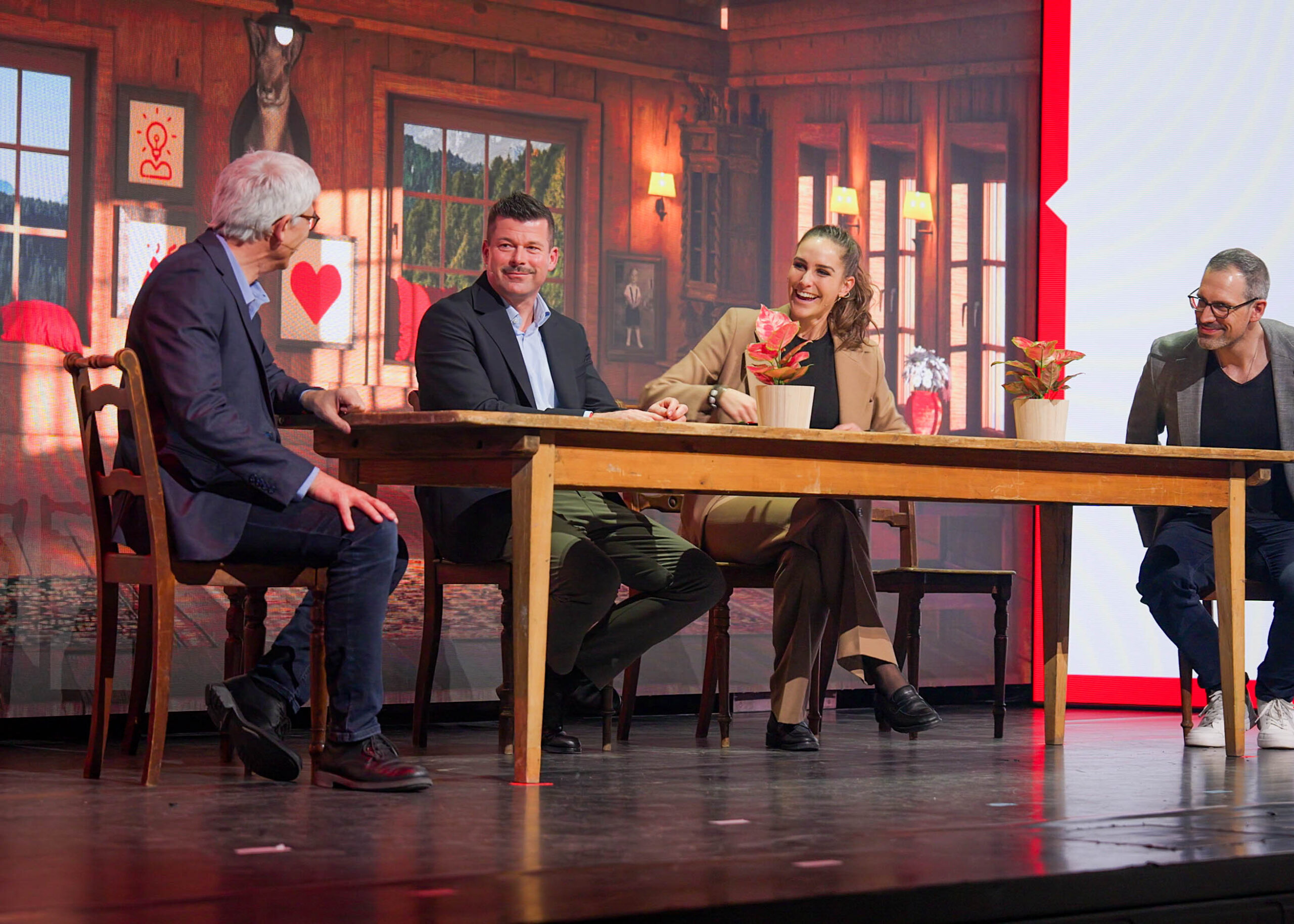
Whether a workshop delivers results or fizzles out rarely depends on the topic. It depends on the facilitation. A good facilitator keeps the energy up, gets everyone on board and makes sure there are concrete results on the table at the end, not just full flipcharts. These workshop facilitation tips show you how.
To make sure your next session really moves things forward, we have put together ten tips that have proven themselves in practice, from preparation to capturing the results.
10 workshop facilitation tips that work
- Clarify the goal: decide in advance what should come out at the end. A decision, a list, a shared picture.
- Prepare well: the agenda, materials and room are ready before the first participants arrive. Improvisation shows.
- Gather expectations: a short opening round shows what participants bring and what they need.
- Set ground rules: phones away, let people finish, one voice at a time. Agreed briefly and together.
- Manage the energy: attention drops after 60 to 90 minutes. Plan breaks and movement deliberately.
- Get everyone involved: work in small groups or pairs so it is not only the loudest voices that are heard.
- Visualise: what people can see, they remember. Capture interim results on the wall or a flipchart.
- Timeboxing: give every block a fixed slot. Pressure creates focus; open ends eat up hours.
- Record decisions: who does what by when? Without that question, much stays vague.
- Capture the results: photograph the outcomes and send out short minutes while everything is still fresh.
Preparation beats talent
Most workshops don’t fail because of difficult participants but because of unclear goals. If you know beforehand what should be on the table at the end, every decision in the workshop becomes easier, from the method to the timings. Put your preparation into the question “Why are we meeting?” rather than into twenty beautiful slides.
Energy is half the battle
Nobody can think at full speed for hours on end. So switch deliberately between phases: input and discussion, plenary and small groups, sitting and standing. A short movement break or a change of room often does more than a third coffee. If you read the energy in the room and respond to it, you keep the group engaged.
From talking to doing
The most valuable moment comes at the end: turning discussion into action. Record who is taking on what by when, and make sure those points leave the room. Otherwise it was a pleasant exchange, but not a workshop that made a difference.
Planning a workshop or an internal format and want it to really move things forward? We support you from concept to facilitation. Find out more about us as an event agency or get in touch directly on +41 44 386 40 50.


